Above the ceiling
Attic musty smell in the rooms below
Updated 2026-09-28 · Look closer · Written with Ava, the ClearNest guide
An attic musty smell reaches the bedrooms through the hatch, can lights, and any fan that dumps shower air overhead. Look for a bath fan that ends in the attic, wet sheathing, or a stained hatch. Do not stir loose insulation if you see widespread growth. Fix the water, vent the fan outdoors, and keep indoor humidity under about 50 percent so the ceiling stops being a sponge.
You can't see most of it. A clean-looking home can still hide moisture behind the walls and in the ducts. The way through is a plan, not a scare.
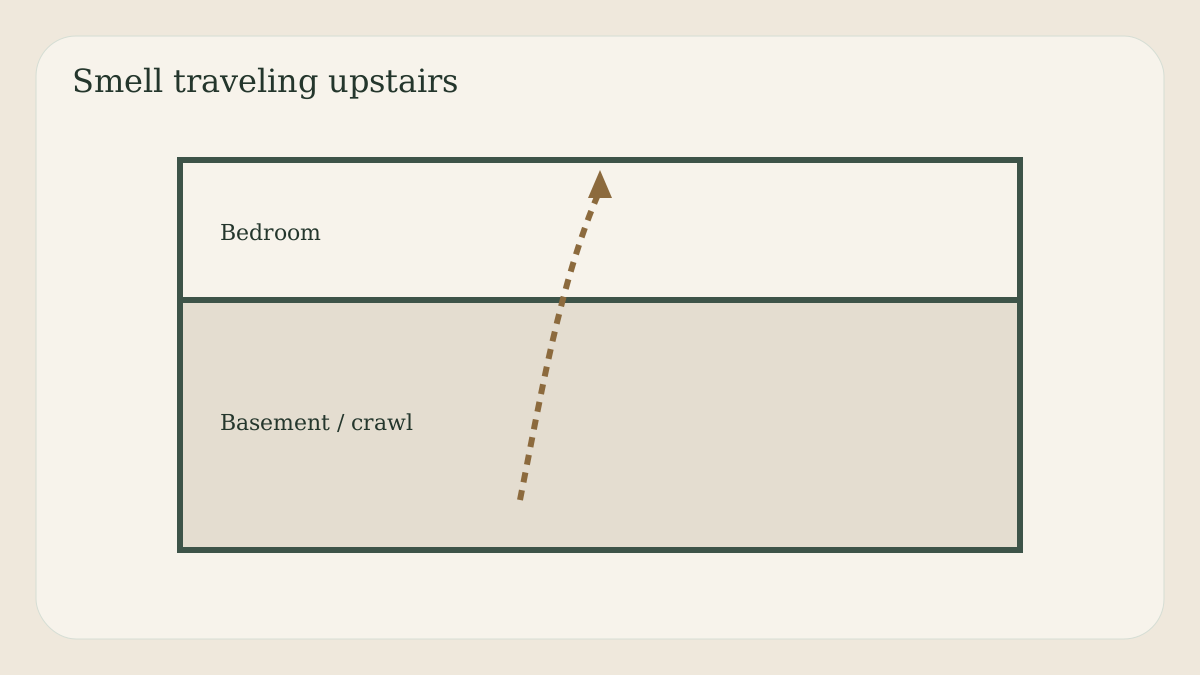
You only smell it on the landing
The attic is a place you visit twice a year. The smell visits you nightly. Hot days push attic air down through the hatch and every unsealed can light. A bath fan that "works" may be blowing shower steam onto the rafters, which then rains the smell back through the ceiling. An attic musty smell is a transport story. Something up there is damp. Something in the ceiling is a hole.
Go up with a flashlight when the roof has been dry for a day, and again after rain if you can do it safely. You are looking for black on the underside of the roof deck, a shiny wet patch, a fan duct lying loose in the insulation, and stains around the hatch. Step only on joists. If the deck is widely covered or the insulation is the thing growing, get down and call a remediator. Do not vacuum loose, moldy insulation into the bedrooms.
The fan duct is the usual villain
A bathroom fan must end outdoors, with a damper that closes. Ending in the attic is how good intentions rot a roof deck. Re-duct it outside or hire that hour out. It is cheaper than sheathing. While you are there, weatherstrip the hatch and insulate the lid so the attic and the hallway stop sharing quite so freely. That is not a mold cleanup. It is how you stop feeding the cycle.
Humidity in the rooms below still matters. Under about 50 percent. A wet attic and a wet bathroom are often the same shower.
The wood looks stained but dry.
Note it, photograph it, and fix the fan and any leak before you scrub. Dry stains can be old. Active smell means something is still wet.
I see fuzzy growth on a large area of the roof deck.
Leave it. Widespread attic growth is a professional job with containment, not a Saturday of bleach and a shop vac.
The smell is only in one bedroom.
Check the can lights and the bath fan on that side, then the duct boot. One room can be the leak path.
Can I blow a fan around up there to dry it?
Only after the water source is stopped, and not if growth is loose and open to the house. Drying a contained wet deck is good. Broadcasting debris into the hatch is not.
Hand the hatch to a plan
The assessment will not climb the ladder for you. It will put the fan, the smell, and the bedrooms in order. Unlock ClearNest for $99 for the rest of the protocol and Ava, so the attic is not the only secret you keep meaning to check. Photograph the loose fan duct before you close the hatch. That photo is the work order.
If this is your house, the free 60-second check names the rooms. Ava turns what you can't see into an order you can finish. The protocol is $99 once the plan is on the screen.
You can't see it. You can still change it.
The air behind the walls has a protocol.
A clean-looking room can still feel wrong. The free check names your rooms and a plan. The protocol is the calm order after that.
Start free 60-second check- 14-day refund if it isn't useful for your home.
- Educational home guidance, not a diagnosis or a lab test.
- Answers stay on this device. Privacy
Already named your plan? Unlock the protocol
Common questions
Is an attic smell always mold?+
No. A dead animal, a hot roof, and stored cardboard can smell. Widespread dark growth on damp sheathing is the mold case. Either way, find the water and the fan duct.
Should I replace all the insulation?+
Replace what is wet or sitting under an active leak. A bid to redo the whole attic before the fan leaves the building is the wrong order.
Can this make the upstairs harder to breathe?+
Yes. Attic air can move down. If breathing is hard, get medical care and air the room. Then fix the path.
Keep reading
Educational home guidance, not a diagnosis or a lab test. ClearNest does not treat illness. Read the full disclaimer.
 Talk with Ava